
How to choose the right tiles
Choosing the correct tiles for your project is more than just picking a pleasing design. To suit both aesthetic and practical requirements, tiles must be carefully considered in terms of practicality, style, and longevity. Here's a handy guide to help you make an informed selection when selecting tiles for your space.
Here are a few steps to follow.
Step 1: Determine the Tile’s Purpose:
Begin by identifying the specific area where the tiles will be used. Different tiles serve different purposes:
Floor Tiles: Opt for durable, slip-resistant tiles for high-traffic areas. Porcelain and ceramic tiles are popular choices for their durability and ease of maintenance.
Wall Tiles: While aesthetics are important for walls, tiles should also be moisture-resistant, especially in wet places such as bathrooms. Glass, ceramic, and ornamental tiles are great for walls.
Backsplashes: Choose tiles that are both beautiful and easy to clean. Glass tiles and mosaic patterns are popular choices for kitchen backsplashes due to their visual appeal and utility.
Step 2: Determine the Tile’s Purpose:
Tiles are available in a variety of materials, each having unique properties:
Ceramic Tiles: Made of clay and suited for both floors and walls. They are long-lasting, easy to maintain, and available in a variety of styles.
Porcelain Tiles: Porcelain, a form of ceramic tile, is denser and more water-resistant, making it perfect for regions with significant moisture and foot activity.
Natural Stone Tiles: Includes alternatives such as granite, marble, and slate. These tiles have a distinct, high-end appearance, but they often require extra upkeep and sealing.
Glass Tiles: Ideal for providing an air of elegance and light reflection. Glass tiles are commonly utilized as backsplashes and wall decorations.
Step 3: Assess Durability and Maintenance
Consider how much wear and tear the tiles will withstand. Durable materials such as porcelain or real stone are best suited for high traffic areas. Check the PEI (Porcelain Enamel Institute) rating, which reflects the tile's durability. Consider the simplicity of maintenance: glazed tiles are easier to clean and more stain-resistant than unglazed tiles.
Step 4: Selecting Tile Size and Shape
When selecting the proper tiles, begin by determining the size and shape that best fits your space. Larger tiles can make a room feel more spacious by having fewer grout lines, whereas smaller tiles allow for detailed designs in limited spaces. Consider the tile shape—rectangular tiles, for example, have a classic appearance, whereas hexagonal shapes can provide a unique touch. The choice of grout lines has an impact on both maintenance and the overall appearance of the tile arrangement.
Step 5: Choosing the Right Finish
Choose a finish that meets both your aesthetic and utilitarian objectives. Glossy tiles increase brightness and reflectivity, although they may require frequent cleaning owing to obvious smudges. Matte surfaces are discreet and easy to maintain, making them excellent for high-traffic areas. Textured coatings, on the other hand, provide additional grip and visual interest while trapping more dirt on their surfaces.
Step 6: Selecting Colors and Patterns
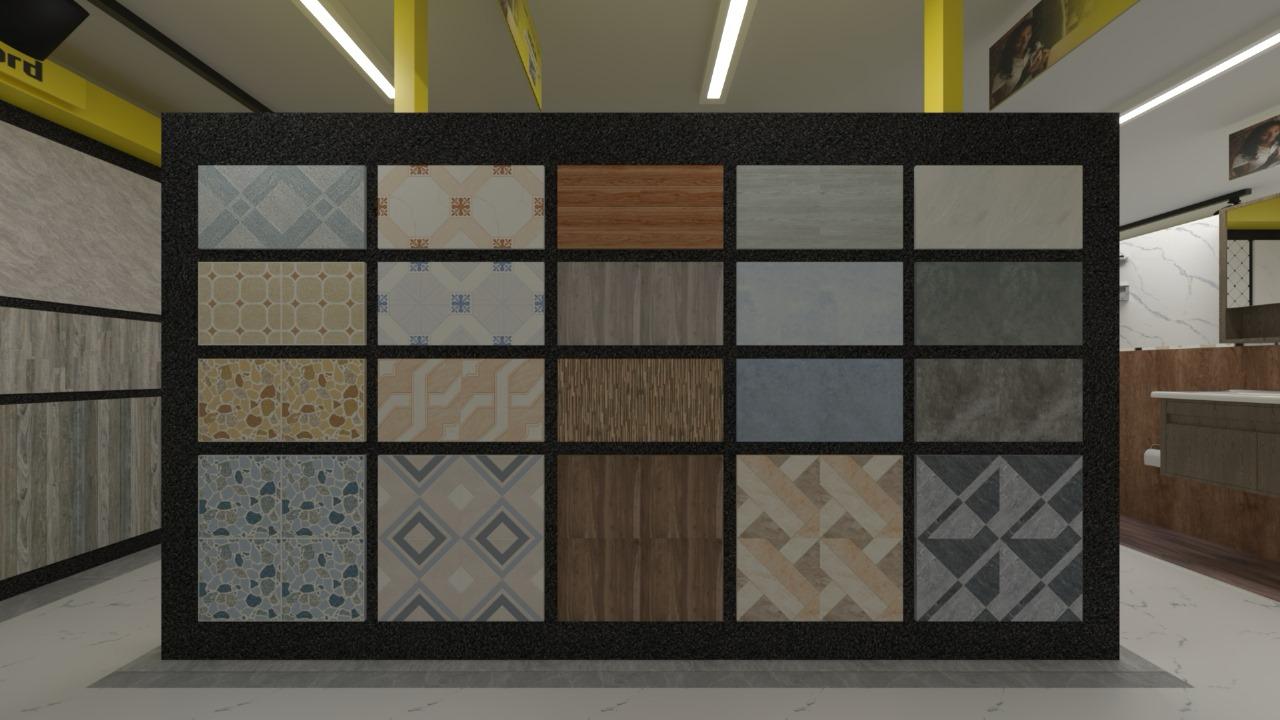
Finally, select colors and patterns that are consistent with your design idea. Light-colored tiles can make rooms feel wider and more open, whilst darker tones create a more intimate atmosphere. Patterns can bring style and personality, but you should evaluate how they will go with your existing decor. Whether you want a harmonic blend or a strong contrast, your choice will shape the space's character and overall appearance.
Our Recent Articles

Our Statement
Osmo Traders is your one stop point for all your fittings and finishes.